

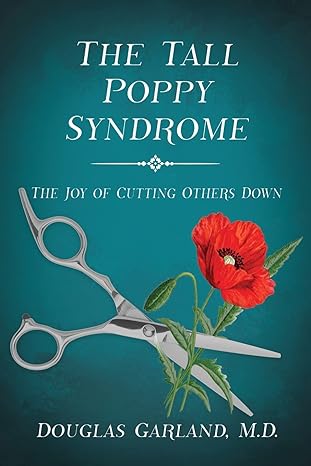
Purchase your copy today where books are sold!
Greetings Groundbreakers!!!
Storytime!!!
Short Story: The Shadow Among Us
In the quaint town of Willow Creek, nestled amidst rolling hills and whispering forests, there lived a man named Edmund Grayson. To the outside world, Edmund was the epitome of charm and charisma—a successful businessman with a winning smile and a silver tongue. But behind closed doors, a darker truth lurked beneath his carefully crafted facade.
Edmund harbored a deep-seated resentment towards those who dared to surpass him, their success casting a shadow over his own ambitions. Like a twisted game of chess, he reveled in the thrill of cutting down those he deemed to be “tall poppies,” their downfall fueling his insatiable hunger for power and control.
His latest target was Amelia Sinclair, a rising star in the world of fashion design whose talent and creativity threatened to overshadow his own modest achievements. With a cunning smile and honeyed words, Edmund wormed his way into Amelia’s inner circle, masquerading as a mentor and friend while secretly plotting her demise.
As Amelia’s career soared to new heights, Edmund’s envy festered like a poison, driving him to ever more desperate measures to bring her down. He spread malicious rumors, sabotaged her projects, and undermined her confidence at every turn, relishing in the chaos he wrought.
But Amelia was no ordinary prey. With a keen intuition honed by years of navigating the cutthroat world of high fashion, she sensed the danger lurking in the shadows and refused to be cowed. Gathering her allies around her, she launched a counterattack against Edmund’s machinations, exposing his deceit and manipulation for all to see.
In the end, it was Edmund who found himself cast out into the cold embrace of obscurity, his carefully constructed empire crumbling around him like a house of cards. His spellcasting backfired with ten times the karma he dished out. As he watched from the sidelines, consumed by bitterness, he never realized the true cost of his ambition—the loss of his humanity to envy.
And so, the tale of Edmund Grayson serves as a cautionary reminder of the dangers of envy and the destructive power of the tall poppy syndrome. In a world where success is often measured by the lengths one is willing to go to cut down others, it is those who choose to uplift and empower their peers who truly emerge victorious in the end.
Now the book review:
In “Tall Poppy Syndrome: The Joy of Cutting Others Down,” Dr. Douglas Garland explains the phenomenon of Tall Poppy Syndrome (TPS). With meticulous research and insightful analysis, Dr. Garland shines a light on this pervasive aspect of human behavior, offering readers a profound understanding of its origins, manifestations, and impact on society.
The concept of envy—the insidious force that drives individuals to diminish the achievements of others in an attempt to elevate their own sense of worth. Drawing from a wealth of psychological theories and real-world examples, Dr. Garland uncovers the complex interplay of emotions and motivations that underlie TPS, challenging readers to confront their own biases and assumptions.
TPS roots are deep-seated insecurities and societal pressures, inviting readers to empathize with both perpetrators and victims alike. By reframing TPS as a symptom of larger societal issues, Dr. Garland encourages readers to engage in a more constructive dialogue about empathy, compassion, and self-awareness.
Rather than succumbing to despair in the face of TPS, Dr. Garland offers practical strategies for overcoming its effects and fostering a culture of support and collaboration. From cultivating self-confidence to practicing empathy towards others, he empowers readers to rise above the fray and embrace their full potential.
This book is a thought-provoking and insightful exploration of a complex social phenomenon. With its blend of academic rigor, empathetic storytelling, and practical wisdom, it offers readers a roadmap for understanding and addressing TPS in their own lives and communities. Whether you’re a psychologist, a business leader, or simply a curious reader, this book is sure to leave a lasting impression.
 Breaking Ground Chronicles